
 Facebook
 X
X
 Pinterest
 Copy Link
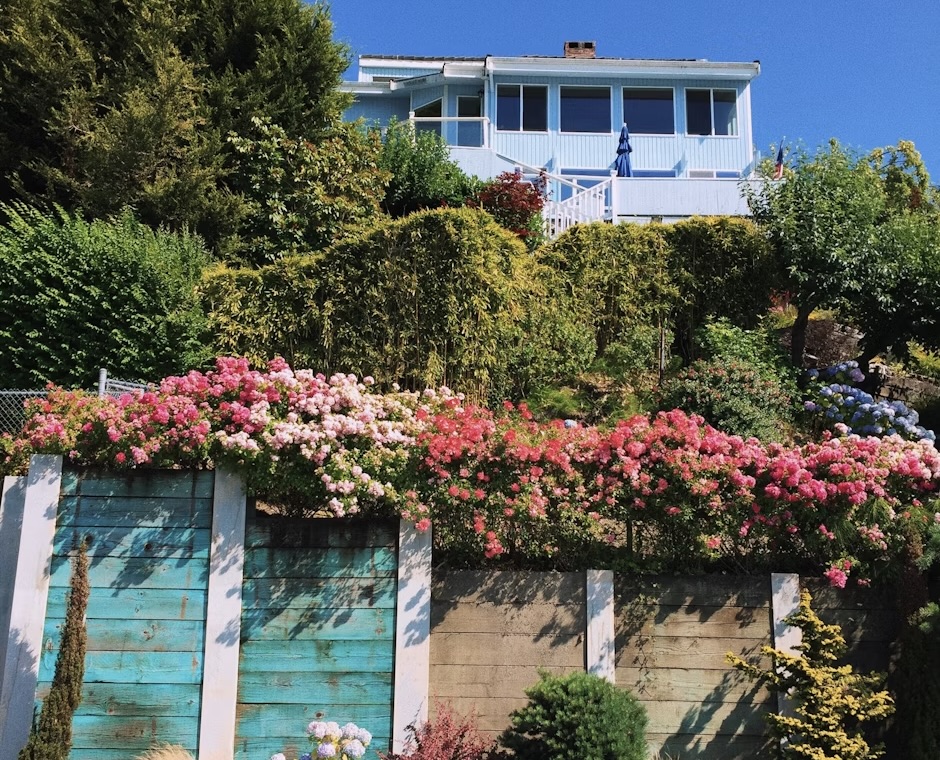
Seattle is not an inexpensive housing market, but some neighborhoods may offer more attainable options than others, especially for buyers looking for a residential feel, access to parks, everyday amenities, transit, and a little more breathing room.
When I talk about “more affordable” Seattle neighborhoods, I mean relative affordability within the city and nearby areas. Pricing still varies quite a bit depending on the exact street, home condition, lot size, school boundaries, commute routes, and the type of home you are considering.
If you are beginning a home search and trying to understand where your budget may stretch a little further, these are a few areas worth exploring.
North Seattle Neighborhoods to Consider
Haller Lake, Northgate, and Pinehurst
Haller Lake, Northgate, and Pinehurst can be practical places to begin if you want to stay in North Seattle while keeping an eye on affordability. These neighborhoods offer access to transit, shopping, everyday errands, and residential pockets with a mix of home styles.
Northgate is especially practical for commuting because of light rail access, while Haller Lake and Pinehurst may offer quieter residential streets depending on the specific location. Larger lot sizes can sometimes be found in this part of the city, though pricing and condition vary from home to home.
Broadview and Bitter Lake
Broadview and Bitter Lake may appeal to buyers who want a quieter North Seattle setting while staying within city limits. Bitter Lake can offer access to parks, transit, and neighborhood amenities, while Broadview tends to feel more residential and tucked away.
Broadview can become more expensive, especially as you move farther west toward views and larger properties, but there may still be opportunities worth watching. For buyers who like the north-end location but are priced out of areas like Blue Ridge, View Ridge, or parts of Ballard, these neighborhoods may be worth comparing.
Olympic Hills, Cedar Park, and Lake City
Olympic Hills, Cedar Park, and Lake City can offer more options at a somewhat lower price point than nearby neighborhoods like Maple Leaf, Wedgwood, or View Ridge. This part of Northeast Seattle includes a range of housing styles, from older single-family homes to townhomes and smaller-lot new construction.
As with many Seattle neighborhoods, exact location matters. Street feel, transit access, commute patterns, and property condition can vary quite a bit. Still, for buyers who want to stay connected to North Seattle, Lake City and the surrounding neighborhoods can be a good place to watch.
Greenwood, Licton Springs, and Crown Hill Edges
Greenwood, Licton Springs, and the edges of Crown Hill can be good areas to explore if you want neighborhood amenities, restaurants, coffee shops, parks, and access to North Seattle without necessarily paying the premium of nearby areas like Phinney Ridge, Green Lake, or Ballard.
Greenwood has a strong neighborhood-center feel, while Licton Springs and the Crown Hill edges may offer a slightly different mix of housing and price points. Lot sizes are often smaller here, and subdivided lots with townhomes are common, but these neighborhoods can still offer a practical balance of location and relative affordability.
West Seattle Neighborhoods to Consider
Westwood, Highland Park, and Arbor Heights
For buyers open to looking beyond North Seattle, Westwood, Highland Park, and Arbor Heights may be worth keeping on the radar. These areas can offer a more residential feel and, in some cases, more space for the money compared with many central and north-end Seattle neighborhoods.
Westwood offers access to shopping and everyday amenities, Highland Park has a mix of older homes and newer construction, and Arbor Heights can feel more tucked away. Commute routes and bridge access should be part of the conversation, but these areas can be strong contenders for buyers seeking relative affordability within Seattle.
Delridge, Youngstown, and Pigeon Point
Delridge, Youngstown, and Pigeon Point are also worth exploring in West Seattle. These neighborhoods offer access to parks, transit routes, and West Seattle amenities while often pricing below areas like Admiral, Alaska Junction, and Genesee.
The feel can change quickly from block to block, so it is important to spend time in the area, drive commute routes, and compare specific homes carefully. For buyers who want proximity to downtown, West Seattle, and neighborhood green space, these areas may offer interesting opportunities.
South Seattle Neighborhoods to Consider
North Beacon Hill and South Beacon Hill
Beacon Hill is one of Seattle’s most interesting areas to compare because it offers access to light rail, parks, downtown, the International District, Columbia City, and South Seattle amenities. North Beacon Hill tends to be more expensive, especially near light rail and view corridors, while South Beacon Hill may offer more attainable options.
Buyers considering Beacon Hill should compare the exact location carefully. North Beacon Hill, Mid Beacon Hill, and South Beacon Hill can feel different in terms of housing styles, street layout, transit access, and price point. For buyers who want access to the city but are priced out of many central neighborhoods, Beacon Hill can be worth a closer look.
Rainier Beach, Rainier View, and Lakeridge
Rainier Beach, Rainier View, and Lakeridge may offer more relative affordability than many other Seattle neighborhoods, along with access to Lake Washington, parks, light rail, and routes south toward Renton and the airport.
These areas can be especially useful to compare for buyers who want residential streets, larger lots, or more home for the money. As always, it is important to look carefully at the specific street, commute, home condition, and long-term fit.
Columbia City and Hillman City Edges
Columbia City itself has become more expensive over time, but the surrounding edges, including parts of Hillman City, may still be worth exploring. This area offers access to restaurants, shops, light rail, parks, and a strong neighborhood-center feel.
Because demand can be high near the main commercial district and light rail, affordability varies. Buyers may find more value by looking slightly outside the most central pockets or considering a wider range of home types.
Just Outside Seattle: Shoreline, Southcenter, and Tukwila
If staying strictly within Seattle city limits is not required, nearby areas like Shoreline, Southcenter, and Tukwila may be worth considering. These areas can open up additional options for buyers who want more space, a lower price point, or different housing styles than they may find in Seattle.
Shoreline is a natural extension of a North Seattle search. It offers access to parks, schools, shopping, transit, and light rail connections, while still keeping buyers close to North Seattle neighborhoods like Broadview, Bitter Lake, Haller Lake, and Lake City. Depending on the location and home, Shoreline can sometimes offer more house or lot size for the money compared with nearby Seattle neighborhoods.
Southcenter and Tukwila may be worth considering for buyers who are open to looking south of Seattle. This area can offer more affordability than many Seattle neighborhoods, along with access to shopping, freeways, the airport, light rail connections, and commute routes to Seattle, Renton, Kent, and the Eastside.
How to Evaluate Seattle Neighborhoods
In Seattle, neighborhood fit is rarely just about the name of the neighborhood. The feel of an area can change quite a bit block by block, and two homes in the same neighborhood may offer very different experiences depending on the street, lot, condition, noise, transit access, nearby amenities, and commute.
As you explore, pay attention to how the area feels at different times of day, what the commute looks like, how close you are to parks and everyday amenities, the types of homes available, recent comparable sales, property condition, and how the neighborhood fits your day-to-day life.
A good starting point is to spend time in a few neighborhoods before focusing only on listings. Walk around, visit parks, grab coffee, drive the commute, and compare what feels comfortable.
If you are trying to figure out which Seattle neighborhoods may work best for your budget and goals, I can help you compare recent sales, home styles, commute considerations, and neighborhood options so you can move forward with a clearer plan.
Kristina Bulajewski
Broker | Realtor®
Windermere Real Estate Co. | Ballard
Helping buyers and sellers navigate Seattle real estate with thoughtful guidance and local insight.
