
 Facebook
 X
X
 Pinterest
 Copy Link
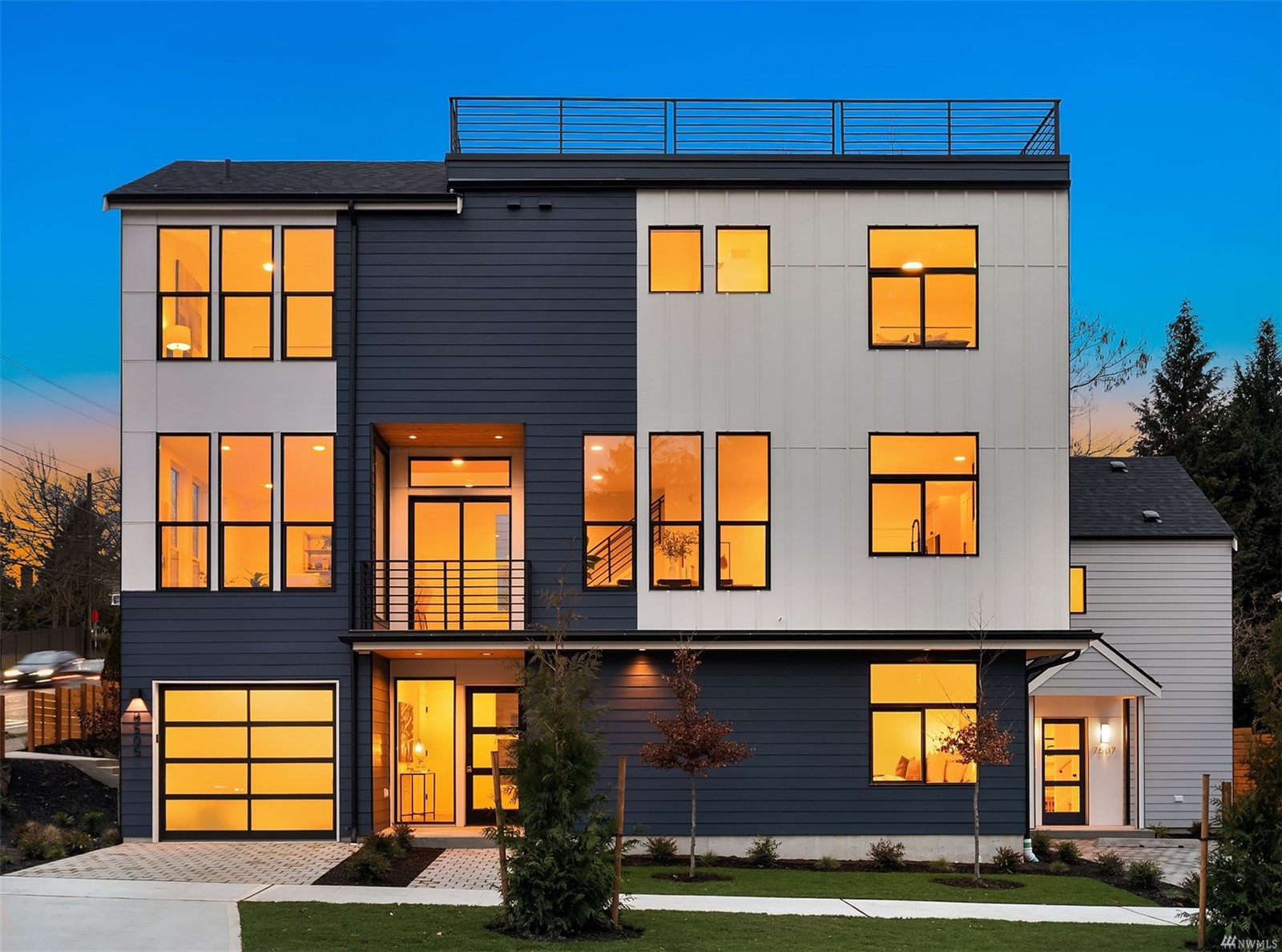
In Seattle, some homes that look like townhomes or detached backyard cottages are legally structured as condominiums. That means buyers may own their individual unit along with a shared interest in common elements, and they should review the condominium declaration, map, HOA documents, and public offering statement before buying.
In 2019, Seattle City Council made changes to the city’s single-family zoning requirements, and since then, the addition of accessory dwelling units has surged. The number of new ADU permits grew from 280 in 2019 to nearly 1,000 in 2022. That is a 250% increase.
This change was part of a broader effort to meet housing demand in Seattle by adding density and widening living opportunities in neighborhoods traditionally zoned for single houses.
“Land use planning really is the most powerful tool that we have as a city. It affects how the neighborhoods in our city change and grow, and so it’s really important that we all understand what the processes are, and figure out how we engage in those processes.” -Tammy Morales
Now, in areas zoned for single-family housing, two ADUs can be built per lot. This can be two AADUs or one AADU and one DADU. Additional changes include that property owners are no longer required to live on-site and off-street parking is now optional. ADUs can now be built larger, taller, and on smaller lots than before.
Some of this shift is tied to broader housing policy changes in Washington, including efforts to increase middle housing, ADUs, condos, and townhome supply.
Another unsuspecting factor is that some new dwellings that look like townhomes are not being constructed on traditional plats. They are being built as condominiums.
Read on to learn more about what makes owning a condo different from owning a single-family home.
What is a condominium?
A condominium is a property that contains dwelling “units” that are designated for separate ownership.
Unlike a traditional plat, which may divide a piece of physical real estate into smaller lots, a condominium does not divide the physical real estate into segmented portions.
Basically, condo buyers own the condominium unit itself, along with an “interest” in the common elements.
What are common elements in a condo?
In addition to units, a condominium may also include portions called “common elements.” These are designated for shared use and ownership by all or some of the unit owners. Look to the condominium declaration for specific details.
Common elements are portions of the condominium that all owners of the condominium project can use.
Limited common elements are portions of the condominium that fewer than all owners have the right to use.
Exclusive common elements are limited common elements that only the owners of one unit have the right to use.
What is a condominium declaration?
A condominium declaration is a written document that accompanies the condominium map. It contains information about the number and type of units in the building, the homeowners association’s rights and duties to owners, and a list of any easements or liens affecting title to the building.
The condominium declaration is similar to the CC&Rs, or conditions, covenants, and restrictions, that may accompany a traditional plat development.
What is an Accessory Dwelling Unit?
Lots within single-family zones are typically restricted to one single-family dwelling. However, the zoning codes of some jurisdictions allow for one or more accessory dwelling units to be constructed per lot. These units are additional residential structures.
An Attached Accessory Dwelling Unit, commonly referred to as an AADU, is a dwelling that is attached to the principal dwelling unit, often by a common wall.
A Detached Accessory Dwelling Unit, commonly referred to as a DADU, is a dwelling that is not physically attached to the principal dwelling unit.
How is a condominium legally created?
In Washington, the creation of condominiums is governed by the Washington Uniform Common Interest Ownership Act, or WUCIOA, which went into effect in July 2018.
Under WUCIOA, a condominium is created when the condominium survey map and declaration are recorded in the public records.
What is a public offering statement for a new construction condo?
WUCIOA requires that every buyer be provided with a public offering statement, which is a document prepared by the attorneys representing the builder of a newly constructed condominium building. The statement includes the condominium declaration.
Buyers looking to purchase a new construction condo can get the public offering statement from their broker before making an offer.
For resale of a pre-owned condo, a resale certificate is provided instead.
Does every condominium have an HOA?
WUCIOA requires an HOA for every condominium, even if the condominium has only two or three units, and even if one person or entity owns all of the units.
Creation of the HOA requires incorporating the entity with the Washington Secretary of State’s office, obtaining an EIN from the IRS, and filing annual paperwork with both agencies. A formal transition meeting to transfer management of the HOA from the developer to the homeowners happens within 60 days of the sale of 75% of the units.
What warranty protections apply to new construction condos?
Though most developers routinely provide a standard one-year warranty, WUCIOA imposes a separate implied warranty of quality on all condominiums for a period of four years from closing. To trigger the warranty, the homeowner must prove that the defect is more than technical, is significant, and has or will affect the performance of that portion of the unit.
Thinking about purchasing a condo?
If you are interested in buying a condo or learning more about what ownership could mean for you, a real estate broker can help. Your broker can get a copy of the condominium map and public offering statement for the condominium project and help you understand what to look for before making an offer.
Kristina Bulajewski
Broker | Realtor®
Windermere Real Estate Co. | Ballard
Helping buyers and sellers navigate Seattle real estate with thoughtful guidance and local insight.
